


The generation of surveyors who saw large field crews and parties is rapidly diminishing. The introduction of technologies like EDM devices has allowed large crews to be reduced to a typical size of three people. The advent of additional technologies such as GPS and robotic total stations has impacted crews even more, creating default one-person crews. We may send people out in pairs for safety reasons, but the fact is that most of the work that used to take many people no longer does.
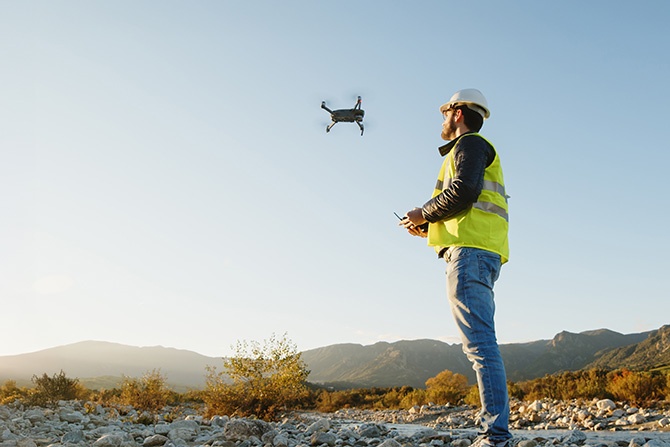
Newer technology continues to impact surveying every year. Drones equipped with various remote sensing payloads are making a significant impact, as their cost is low and the barriers to adoption are minimal. However, even costly equipment that requires specialized training, such as plane- or truck-mounted LiDAR, is also impacting our mapping work.
Field work is not the only aspect of surveying that is being impacted by technology; artificial intelligence has the potential to affect many fields, including surveying. There is already software on the market that enables less experienced individuals to create accurate mapping products. AI tools are already in place to speed the creation of surfaces and planimetries from imagery. Most recently, we have seen models trained to compare imagery and LiDAR data simultaneously, enabling the automatic collection of positional and attribute data for linework or symbolized features, such as signs. Fewer people will be needed to complete many office tasks.
We can react to these changes in a myriad of ways. We could reject technological advances and keep doing it the way we always have. We could also get so excited about new tools that we overextend ourselves to the point of failure.
When we created the surveying group at Avenue Consultants, we knew we had an opportunity to do things differently and perpetuate techniques, traditions and mentoring models that we enjoyed earlier in our careers. We also had the chance to create an environment where, rather than becoming victims of technological disruptions, we could utilize them to create opportunities for our team members.
Most surveyors entered the profession in part because it combined a love of being outdoors with office time spent on research and analysis. Most, however, end up within a structure where they effectively “graduate” from field work and enter the world of the office. Typically, this structure is reinforced with pay and responsibility increases.
Our discipline group lead at Avenue Consultants, Craig Yates, is one example of a surveyor who has refused to allow himself to be removed entirely from the field and still enjoys getting out on projects nearly every week. While being mindful of budgets, schedules and individual expertise, everyone on our team enjoys some field time, and we reject the philosophy that creates a white/blue collar divide at many firms. As a result, there is a pronounced unity between our team members and the company as a whole.
To make that work, we have had to commit to cross-training and being honest with ourselves and each other about where we have expertise and where we need the support and mentorship of others. It means reaching out to friends and colleagues for help with tasks we don’t often do ourselves. Over time, this has allowed people to have a diversity of experiences, breaking them out of the roles they’ve been pigeonholed into, so they can spread their wings.
We have also leaned into technology, rather than being reluctant to adopt new ways of doing things, and found ways to use it as a force multiplier. We leverage communication platforms like Microsoft Teams to share our expertise, allowing the most available person to provide quick support and instruction regardless of physical distance. Cross-training and interest in technology mean that the threats, and of course, the benefits, of technology are real for our entire team. When considering new technologies like drone-mounted LiDAR, we recognize that all our jobs may be impacted, and we all must adapt. One or two people may take the lead, but we work together to create a plan so that others can learn to utilize the new toys and avoid becoming casualties of automation.
While we all have different experiences and expertise, there is always someone else who can do our jobs. This scares some, but the knowledge that our team values us personally, not just our skills, helps prevent burnout. It also gives us the freedom to go on that extended vacation or deal with the pains and tragedies of life, knowing our clients will be taken care of and we have each other’s backs. We believe that our cross-training mentality is key to our mission of creating opportunities for our employees and value for our clients.
While technology has reduced the size of field crews, the demand for licensed surveyors who can certify legal documents and oversee complex projects remains strong. The industry is evolving to prioritize skilled technicians who can operate and interpret advanced technology.
What Are the Benefits of Cross-Training Compared to Specialization?
In contrast to specialization’s focused expertise, cross-training offers a more versatile approach by boosting performance, reducing injury risk and increasing engagement across different fields. While specialization focuses on in-depth skills within a narrow area, cross-training offers broader benefits by integrating multiple skills.
Increased Versatility and Agility
For Employees: Training in multiple roles equips workers with a diverse skill set, allowing them to adapt quickly to evolving demands and making them more valuable assets to an organization.
For Organizations: A cross-trained workforce creates a more flexible and agile company, which is better able to respond to changes, adapt to fluctuating workloads and fill unexpected staffing gaps.
Reduced Risk of Burnout
Engaging in varied tasks breaks up monotony, which can prevent burnout and reenergize workers who might feel stuck in a dead-end job.
Enhanced Performance and Skill
Cross-training can enhance productivity and efficiency by enabling employees to better understand workflows across various departments. This broader perspective can help them identify bottlenecks and suggest more effective solutions.
Improved Engagement and Morale
When organizations invest in cross-training, it signals a commitment to employee growth, which can boost morale, increase job satisfaction and foster greater employee retention rates.
Stronger Collaboration and Reduced Dependency
For Employees: When workers are familiar with roles outside their own, it creates a better understanding of their colleagues’ challenges. This fosters stronger teamwork, improves communication across departments and builds a culture of shared responsibility.
For Organizations: Distributing knowledge and capabilities across the workforce, rather than relying on a single specialist, minimizes the risks associated with the departure of a key individual.